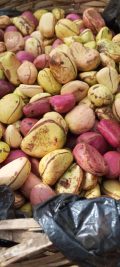
Orange-fleshed sweet potato (OFSP) is rapidly emerging as a high-value biofortified crop across international agricultural markets. Celebrated for its exceptional nutritional density and versatility, OFSP offers superior benefits over standard white potatoes and traditional yellow sweet potatoes while bridging tropical production with European market demand.
Health Benefits Over Other Potato Varieties
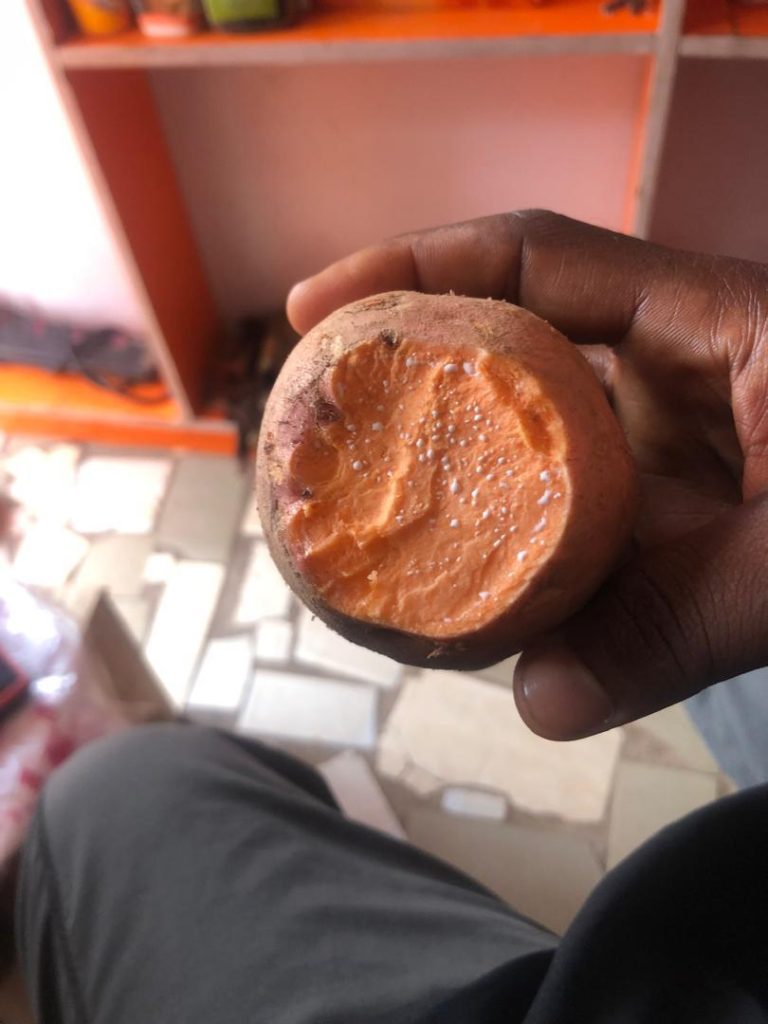
While standard Irish white potatoes consist primarily of simple starches, OFSP is a nutrient-dense superfood containing high levels of essential micro-nutrients:
- Beta-Carotene and Vitamin A: Unlike white or yellow potatoes, OFSP is packed with beta-carotene, which converts to Vitamin A in the human body to support vision, immune health, and cellular function.
- Lower Glycemic Index: OFSP causes a slower rise in blood glucose levels compared to high-GI Irish potatoes, making it ideal for diabetic management and sustained energy release.
- Rich Fiber and Antioxidants: High soluble and insoluble fiber content promotes gut health, while natural antioxidants combat oxidative stress better than traditional potato strains.
Cultivation in Nigeria and Europe
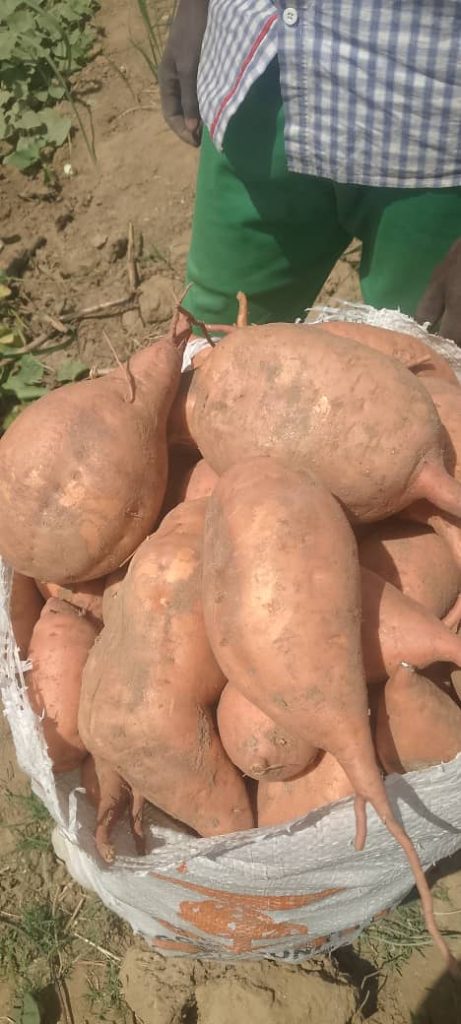
- Growth in Nigeria: Nigeria possesses ideal tropical agro-ecological conditions for OFSP production, particularly in the Middle Belt and Southern regions. With proper vine multiplication, harvest cycles run as short as 3 to 4 months.
- Growth in Europe: OFSP can be cultivated in Southern Europe (such as Spain and Portugal) during warmer months. However, Central and Western Europe (including Germany and the Netherlands) face shorter growing seasons and cooler soil temperatures, necessitating greenhouse production or reliable imports from tropical partners like Nigeria.
Strategic Partnerships with the Netherlands and Germany
Collaborating with advanced agricultural hubs in the Netherlands and Germany unlocks key trade and technological advantages:
- Advanced Seed and Agritech Transfer: Access to disease-indexed, high-yield vine stock and Dutch greenhouse technology.
- Pest Control Limits and EU Compliance: European trade regulations impose strict Maximum Residue Limits (MRLs) on chemical pesticides. Partnering with German and Dutch agronomists helps Nigerian exporters adopt Integrated Pest Management (IPM), biological pest control, and organic sanitation methods required to pass EU port inspections.
- Export Supply Chains: Establishing direct trade corridors ensures consistent supply to European food processors, bio-fortification initiatives, and retail chains.