Following up on our introductory guide at Agricultural and Agro Export News Blog, this article explores the crucial, behind-the-scenes operational requirements needed to scale a successful Kola Nut export business out of Nigeria.
While understanding global demand is step one, mastering local procurement, species classification, and strict moisture control determines true profitability in the international market.
1. Know Your Species: Cola acuminata vs. Cola nitida
Global buyers have specific preferences based on industrial usage:
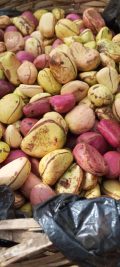
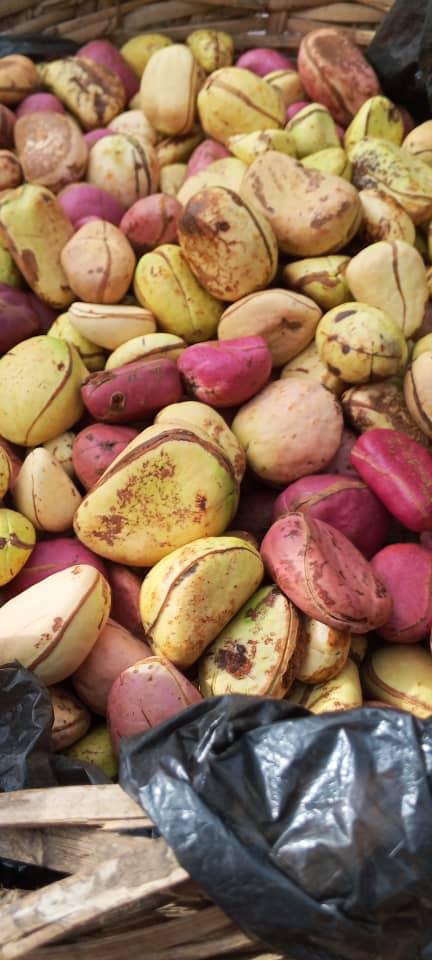
- Cola nitida (Gbanja): The primary export driver due to its higher caffeine content, long shelf life, and high demand across North America and Europe for pharmaceutical extracts, energy drinks, and natural colorings.
- Cola acuminata (Abata): Highly valued across West Africa for cultural significance and local processing.
2. Moisture Content and Prevention of Aflatoxins
The biggest risk in exporting Kola Nuts is mold growth caused by improper drying:
- Optimal Moisture level: Export-grade Kola Nuts must be cured and dried to a moisture content between 10% and 12%.
- Packaging: Always pack in ventilated, food-grade jute bags or lined mesh sacks to prevent sweating and condensation during ocean freight transit.
3. Compliance & Documentation Essentials
To clear Nigerian customs smoothly and meet international buyer standards, every shipment requires:
- Phytosanitary Certificate: Issued by the Nigeria Agricultural Quarantine Service (NAQS) to certify pest-free cargo.
- Certificate of Origin: Required by destination customs for duty verification.
- NEPC Exporter Registration: Valid license with the Nigerian Export Promotion Council.
By pairing quality control at the farm level with precise documentation, Nigerian exporters can capture high-margin opportunities across European, American, and Asian markets.